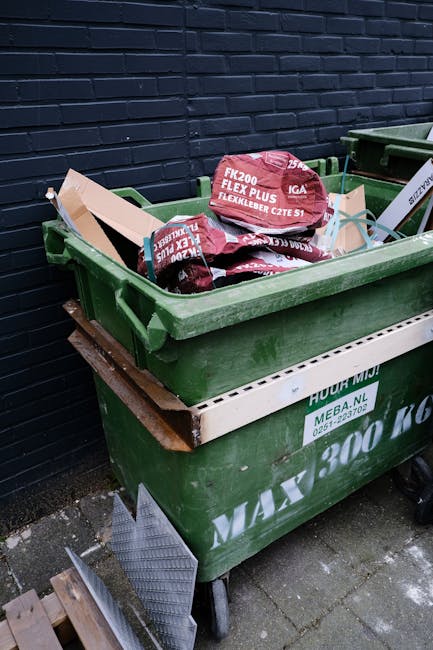
Stratford E15 rubbish removal guide for flats and HMOs
If you live, let, manage, or clear a flat in Stratford E15, rubbish removal has a habit of becoming urgent at the worst possible moment. A hallway starts filling with old furniture, the bin store is full again, and someone in the HMO has left a mattress by the front door. Not ideal. This Stratford E15 rubbish removal guide for flats and HMOs breaks down what actually works in shared buildings, what to avoid, and how to handle clearance without turning the place into a fire-risky mess or annoying half the building.
The good news? With the right plan, flat clearance and HMO waste collection can be straightforward, tidy, and much less stressful than people expect. You will also save time by knowing which items need special handling, how to prepare access, and when a professional rubbish removal service makes more sense than trying to tackle it yourselves. Let's face it, nobody wants to drag a sofa down three flights of stairs on a damp Tuesday night.
Table of Contents
- Why Stratford E15 rubbish removal for flats and HMOs matters
- How rubbish removal in Stratford E15 works
- Key benefits and practical advantages
- Who this is for and when it makes sense
- Step-by-step guidance
- Expert tips for better results
- Common mistakes to avoid
- Tools, resources and recommendations
- Law, compliance, standards, and best practice
- Options, methods, and comparison table
- Case study or real-world example
- Practical checklist
- Conclusion
- Frequently asked questions
Why Stratford E15 rubbish removal guide for flats and HMOs Matters
Flats and HMOs create rubbish problems that single-family homes usually do not. Shared access, limited storage, communal bins, narrow stairwells, and varied household routines all make waste management more complicated. In Stratford E15, where many people live in apartments, converted houses, and shared accommodation, this becomes even more noticeable.
The issue is not just appearances. Overflowing waste in a communal area can attract pests, create smells, block exits, and make everyday life feel cramped. In a shared property, one person's "I'll deal with it later" quickly becomes everyone else's problem. You can see how that spirals.
For landlords and managing agents, the stakes are a bit different. You need a method that is quick, predictable, and respectful of neighbours, while also being suitable for move-outs, end-of-tenancy clearances, refurbishments, or regular accumulation in shared spaces. For tenants, it is often about staying organised and avoiding disputes over who should remove what.
That is why a practical guide matters. It gives you a sensible way to think about bulky waste, odd items, recycling, access, and timing rather than just hoping the bin men can somehow absorb it all. They usually cannot.
How Stratford E15 rubbish removal guide for flats and HMOs Works
In simple terms, rubbish removal for a flat or HMO usually follows a sequence: identify the waste, separate anything hazardous or reusable, estimate volume, check access, and arrange collection at a time that suits the building. That sounds basic, but the details matter more in shared accommodation than people think.
For example, a single student flat might only need a quick furniture pick-up and a few bags of unwanted items. An HMO could involve mixed waste from several rooms, broken kitchen appliances, old mattresses, and a couple of wardrobes left in a top-floor bedroom that nobody wants to carry downstairs. The job may look small from the street and turn into a proper logistical puzzle once you start moving things.
A professional service will normally assess the collection size, understand access conditions, and remove items from inside the property or from a designated area, depending on what has been arranged. If you need broader clearance support, services such as flat clearance and house clearance are often more suitable than trying to manage everything through standard bins.
For some jobs, the right fit is a mixed waste solution rather than a one-item removal. That is where a more general waste removal service can be helpful, especially if you have assorted rubbish that does not fit neatly into one category.
Typical flow in a flat or HMO clearance
- Walk through the rooms and identify everything that needs to go.
- Separate reusable items from waste where possible.
- Check for mattresses, appliances, fragile waste, or anything hazardous.
- Confirm where items can be collected from and whether parking or loading access is available.
- Book the right type of clearance and agree timing with residents if necessary.
- Keep communal areas clear while removal is taking place.
- Do a final sweep so nothing gets left behind in cupboards, corners, or outside the back door.
Key Benefits and Practical Advantages
The biggest benefit is obvious: you clear waste properly without the stress of doing it all yourself. But there are a few other advantages that are easy to overlook until you are in the middle of a clearance job and the lift has packed in.
- Less disruption: A planned removal is usually faster and tidier than multiple DIY trips.
- Better use of shared space: Communal hallways, entrances, and bin stores stay usable.
- Safer property conditions: Fewer trip hazards, less fire load, and reduced clutter in escape routes.
- More predictable costs: You can match the service to the amount and type of waste rather than paying for guesswork.
- Improved neighbour relations: Nobody likes a pile of sofa cushions sitting by the front gate for three days.
- Reduced handling risk: Heavy lifting, sharp edges, and awkward staircases are best left to people used to them.
There is also a practical mental benefit. A clear flat feels easier to manage. The kettle goes on, the window opens, and suddenly the place does not feel like a storage unit with a bed in it. Sounds simple, but it makes a difference.
If you are trying to balance a wider property tidy-up, services like furniture disposal and mattress and sofa disposal can make bulky items much easier to deal with than leaving them to sit in the lobby and develop a life of their own.
Who This Is For and When It Makes Sense
This guide is useful for a few different people, and the trigger moments are often very familiar.
- Tenants in flats: You are moving out, replacing furniture, or clearing stored junk that has quietly accumulated over time.
- HMO landlords: A tenant has left items behind, or several rooms need a coordinated clear-out between lets.
- Managing agents: You are dealing with communal waste, complaint prevention, or an end-of-tenancy reset.
- Letting teams: You need a flat returned to a ready-to-market condition quickly.
- Property investors: You are refurbishing or reconfiguring a space and need old contents cleared efficiently.
It makes sense when the waste is too bulky, too mixed, too awkward, or simply too much for normal household disposal. If you only have one small bag of rubbish, this level of service may be overkill. But if there are multiple rooms, heavy furniture, or shared access issues, it is often the least painful route.
Truth be told, the moment you start saying things like "we can probably fit it in the car if we fold the seats down," you are probably already in clearance territory.
Step-by-Step Guidance
If you want a smooth clearance in Stratford E15, follow a proper sequence rather than improvising on the day. A little prep saves a lot of back-and-forth later.
1. Walk the property first
Do a room-by-room check. Include cupboards, under-bed storage, balconies, sheds, bin areas, and shared corridors if relevant. In HMOs, items often appear in odd places: half a wardrobe in one room, a broken chair in the hallway, and a bag of unknown odds and ends in the kitchen.
2. Separate waste from useful items
Not everything needs to be thrown away. Some items can be reused, donated, or simply moved elsewhere in the building. Even if you are not reselling anything, sorting first makes loading faster and cleaner.
3. Identify special items early
Fridges, freezers, mattresses, sofas, and certain electrical items can require specific handling. If you have appliances, a dedicated fridge and appliance removal option may be the right fit. For soft furnishings, mattress and sofa disposal is often the sensible route.
4. Flag anything hazardous
If there are chemicals, solvents, paint, sharps, or suspect liquids in the mix, pause and treat those separately. Hazardous material should never be bundled in casually with regular household rubbish. That is a bad idea on every level.
5. Sort access and timing
Ask yourself: where will the vehicle stop, how long can it stay, and will the lift be available? In a shared building, timing can matter as much as volume. Morning collections may be easier before the building wakes up. Sometimes an afternoon slot is better if lift use is lighter. A small thing, but it helps.
6. Choose the service that matches the job
If the clearance is mostly furnishings, go with a furniture-focused service. If it includes mixed household clutter, a broader clearance may be better. For storage spaces or awkward overspill, loft clearance and garage clearance can also be relevant, especially in converted properties where every spare corner turns into a long-term dumping ground.
7. Do a final check after collection
It sounds obvious, but people forget things. Check the back of wardrobes, behind bins, inside drawers, on balconies, and in communal cupboards. One missed box of junk can undo half the job. Annoying, but common.
Expert Tips for Better Results
In our experience, the best rubbish removal jobs in flats and HMOs are the ones where someone has thought two steps ahead. Nothing dramatic. Just a bit of common sense, which, oddly enough, is the hardest thing to find when everyone is in a rush.
- Label rooms or items if several people are involved. In shared houses, this avoids arguments about ownership.
- Clear access before the team arrives. Move shoes, bikes, prams, recycling boxes, and anything likely to block stairwells.
- Keep one person in charge. Too many decision-makers slows everything down.
- Measure large furniture in advance. A sofa that "should fit" through a doorway often does not.
- Separate confidential waste early. Paper records and personal documents should not be mixed into general rubbish; if needed, use confidential shredding.
- Take photos if the property is managed remotely. A few clear images help everyone stay aligned.
A useful little habit: keep a simple "go, stay, maybe" pile system. Go means remove it. Stay means keep it. Maybe means review it again in five minutes because, honestly, "maybe" is where half the delay lives.
If you are dealing with regular waste from a portfolio of shared buildings or mixed-use premises, it may also be worth looking at business waste removal for a more structured ongoing arrangement.
Common Mistakes to Avoid
Most clearance headaches in Stratford E15 come from a few repeat mistakes. Nothing exotic. Just the sort of things people do when they are trying to save time and end up creating three more problems.
- Leaving everything until the last minute: End-of-tenancy clearances get messy fast when sorting happens on moving day.
- Ignoring communal rules: Storing waste in hallways or shared spaces can upset neighbours and create safety issues.
- Mixing hazardous and general waste: This is one of the easiest ways to create risk.
- Forgetting bulky items: Mattresses, sofas, and appliances need planning, not optimism.
- Underestimating volume: A flat can hide a surprising amount of waste in cupboards and storage beds.
- Not checking parking or access: If the vehicle cannot park close enough, everything takes longer.
- Failing to sort documents: Personal papers, tenant records, and old contracts should be treated carefully.
One more thing: do not assume the cheapest option is the best one for a shared building. If the job takes longer, involves awkward carrying, or needs careful access planning, the wrong choice can cost more in time and stress than you saved in pounds.
Tools, Resources and Recommendations
You do not need specialist equipment for most flat clearances, but a few basic tools make the process cleaner and less chaotic. Think of this as the kit that keeps the job from becoming a small domestic expedition.
| Tool or resource | Why it helps | Best for |
|---|---|---|
| Strong refuse sacks | Contain loose waste and smaller items | Kitchen clutter, wardrobe contents, general rubbish |
| Label stickers or marker pens | Helps separate keep/remove items | Shared flats, HMO bedrooms, staged clearances |
| Gloves and basic PPE | Improves safety when handling mixed waste | Dusty cupboards, old storage areas, sharp-edged items |
| Moving blankets or wraps | Protects walls, lifts, and doorframes | Bulky furniture through narrow access points |
| Simple inventory list | Keeps everyone aligned | Landlords, agents, and multi-occupancy properties |
| Dedicated clearance service | Reduces lifting and disposal stress | Large, mixed, or time-sensitive jobs |
For more involved clearances, especially where furniture is being removed alongside other household items, a combination of home clearance and furniture clearance can be more efficient than trying to split the job into several smaller collections.
And if you are comparing services or planning a bigger project, it helps to review pricing and quotes so you know what to expect before anything starts.
Law, Compliance, Standards, or Best Practice
Waste removal in shared accommodation is not just about convenience. There are practical legal and safety expectations around how waste is stored, moved, and disposed of. You do not need to become a compliance expert overnight, but you should understand the basics.
First, waste should be handled responsibly and not abandoned in communal areas, fire escapes, or pavements. In HMOs, that matters because shared spaces are used by multiple residents and often need to remain clear for access and emergency use.
Second, hazardous items require careful handling. That includes chemicals, some electricals, sharp objects, and anything that could leak, contaminate, or injure someone. If you are unsure whether something is hazardous, treat it as such until you can confirm otherwise. That is the safer habit.
Third, responsible operators should work with safe lifting practices, suitable insurance, and a clear process for handling waste. If you are comparing providers, it is sensible to check pages such as health and safety policy, insurance and safety, and recycling and sustainability to understand how they approach the job.
From a best-practice point of view, the ideal clearance is one that protects residents, avoids blockages, keeps the property presentable, and sends recyclable material for appropriate processing where possible. You do not need perfection. You do need a sensible, defensible process.
If complaints or disputes arise, it also helps to know that clear terms and a formal complaints route are signs of a more organised service. That is one reason people value pages like complaints procedure and terms and conditions before booking.
Options, Methods, and Comparison Table
There are usually several ways to handle rubbish in a flat or HMO. The best one depends on volume, urgency, item type, and access. Here is a simple comparison.
| Method | Best for | Advantages | Limitations |
|---|---|---|---|
| Self-manage with bins | Very small amounts of household waste | No booking needed, simple for light rubbish | Not suitable for bulky or mixed waste |
| Multiple car trips | Occasional small clear-outs | Flexible if you have time and transport | Time-consuming, awkward for heavy items |
| Skip hire | Known large volumes and ongoing work | Handy for renovation or repeated loading | Access, permits, and space can be tricky in flats |
| Professional rubbish removal | Mixed waste, furniture, fast turnaround | Quick, less lifting, usually tidier | Needs accurate briefing and clear access |
For many Stratford E15 flats and HMOs, professional removal is the easiest all-round choice because it avoids stair-lugging and parking headaches. That said, if you are doing a renovation, you may also want to understand builders waste clearance and the guidance on what can go in a skip. Different jobs, different rules, different headaches. Sadly, rubbish has no sense of humour.
Case Study or Real-World Example
Here is a realistic example. A landlord in Stratford E15 has a two-storey HMO with four tenants changing over within the same week. One room contains a bed frame, broken chair, suitcase, and loose clothing. The kitchen has a small pile of unwanted cookware, and the hallway has a mattress left outside a bedroom. The bin store is already full because the building has been busy.
If someone tries to manage this casually, it can easily turn into a mess: items get moved twice, the hallway stays blocked, and the property looks tired when the next tenant arrives for a viewing. Instead, the sensible approach is to inventory the waste, separate any reusable bits, identify the mattress and furniture, confirm access, and arrange a single coordinated clearance.
That way, the rooms are reset in one move rather than in bits and pieces. It is calmer for everyone. The letting agent gets a better presentation, the landlord avoids complaints, and the outgoing tenants do not leave behind that awkward half-finished feeling. You know the one.
In bigger cases, the job may combine office clearance style organisation with residential removal discipline, especially where records, storage items, and furniture are all involved. Not glamorous, but very doable.
Practical Checklist
Use this checklist before booking or starting a flat or HMO rubbish removal job in Stratford E15.
- Walk every room and storage area.
- List bulky items, loose waste, and any electricals.
- Separate hazardous material from general rubbish.
- Set aside documents for shredding if needed.
- Check stairs, lifts, entry codes, and parking access.
- Protect walls, floors, and communal spaces where possible.
- Agree who is responsible for access on the day.
- Remove personal belongings before the clearance starts.
- Confirm whether furniture, appliances, or mattresses need special handling.
- Do a final room-by-room sweep after collection.
- Keep notes and photos if the property is managed remotely.
Quick takeaway: the cleanest clearances are usually the ones that are planned in a simple, boring way beforehand. That is not exciting, but it works.
Conclusion
Stratford E15 rubbish removal for flats and HMOs is really about control: control of access, timing, safety, and the way waste moves through a shared building. Once you have a system, the whole thing becomes much less stressful. You are not just getting rid of clutter; you are protecting the property, reducing friction between residents, and making the place easier to live or let.
Whether you are handling a one-off move-out, a mattress and furniture collection, or a larger mixed waste clear-out, the smart approach is to sort early, plan access properly, and use the right service for the job. A little preparation goes a long way. And, to be honest, it usually saves money too.
If you want a simple next step, compare the service details, review the useful policy pages, and then arrange the removal that matches your building rather than guessing. That is the part people skip, and then regret later.
Get a free quote today and see how much you can save.
And if you are standing in a hallway wondering where to start, begin with the biggest item and the smallest decision. The rest tends to follow.
Frequently Asked Questions
What is the best rubbish removal option for a flat in Stratford E15?
For most flats, a professional rubbish removal or flat clearance service is the easiest option, especially if you have bulky furniture, mixed waste, or awkward access. It keeps the job quick and reduces lifting.
How do HMOs handle rubbish removal differently from normal flats?
HMOs usually involve shared bins, more residents, and more varied waste. That means access, timing, and ownership of items need clearer planning. A coordinated clearance works better than trying to manage everything ad hoc.
Can I leave items in the communal hallway for collection?
Only if it has been agreed and it will not block access or create a safety issue. In most cases, it is better to keep items inside until the collection is ready, then move them out in one go.
What should I do with mattresses and sofas?
Mattresses and sofas are bulky and often awkward to dispose of, so they are usually best handled through a dedicated disposal service. They should not just be left in the bin area and forgotten about.
Are fridges and appliances treated differently?
Yes. Appliances often need specific handling, especially if they contain components that require careful removal. It is sensible to arrange a dedicated appliance collection rather than mixing them with general rubbish.
How much preparation do I need before a rubbish removal visit?
A simple room-by-room sort helps a lot. You do not need to deep-clean the flat, but you should identify what is going, what is staying, and whether any items need special attention.
What happens if there is hazardous waste in the flat?
Hazardous items should be separated immediately and handled carefully. Do not mix them with household waste. If you are unsure, treat the item cautiously until you know what it is.
Is skip hire better than rubbish removal for HMOs?
Not always. Skip hire can work for larger renovation jobs, but in flats and HMOs it can be awkward because of access, space, and loading issues. For mixed or bulky waste, a removal service is often simpler.
Can one service clear furniture, clutter, and general waste together?
Often yes, provided the provider is briefed properly. For example, a job may combine furniture clearance with broader waste removal, which can be very efficient for move-outs.
How do I avoid upsetting neighbours during clearance?
Keep shared areas clear, agree a sensible time slot, and remove items in the shortest practical window. A tidy, respectful approach prevents most complaints before they start.
Do I need to sort recyclable items separately?
It helps, yes. Sorting is not always required for every job, but it makes the process cleaner and supports better recycling outcomes where possible. Many people find it easier to set aside metal, cardboard, and reusable items first.
What if I manage multiple flats or HMOs at once?
For multiple properties, a consistent process matters even more. Keeping notes, photos, and access details in one place makes future clearances much smoother and less rushed.
Where can I find more information about safety and policy details?
You can review service information such as health and safety policy, insurance and safety, and about us to better understand how a professional service approaches the work.