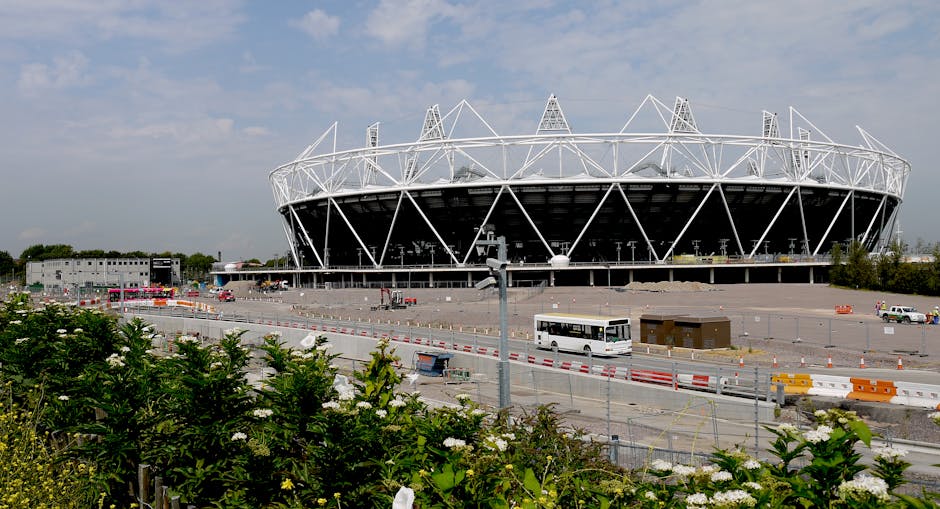
Olympic Park Stratford bulky rubbish clearance before events
When an event is coming up in Stratford, the last thing you want is a pile of bulky waste slowing things down. Whether you are clearing a venue entrance, getting a retail unit ready, or tidying a back-of-house area near Queen Elizabeth Olympic Park, Olympic Park Stratford bulky rubbish clearance before events is one of those jobs that looks simple until you are staring at old furniture, broken fixtures, cardboard, and odd items that somehow accumulated overnight. Truth be told, it can get messy fast.
The good news? A well-planned clearance can make the space look sharper, work more safely, and feel ready for visitors without that last-minute panic. In this guide, you will find a practical breakdown of how event-time bulky rubbish clearance works, what to remove first, who it suits, the mistakes to avoid, and how to make the process smoother from start to finish.
For businesses and site managers who need a broader service, it can also help to understand the difference between a one-off clearance and ongoing business waste removal, especially when events come in waves and the waste does not politely wait for a quiet week.
Expert summary: The best event clearances are rarely about "moving rubbish quickly" and more about planning access, separating waste types, and leaving enough time for the site to look presentable before doors open.
Table of Contents
- Why Olympic Park Stratford bulky rubbish clearance before events matters
- How Olympic Park Stratford bulky rubbish clearance before events works
- Key benefits and practical advantages
- Who this is for and when it makes sense
- Step-by-step guidance
- Expert tips for better results
- Common mistakes to avoid
- Tools, resources and recommendations
- Law, compliance, standards, or best practice
- Options, methods, or comparison table
- Case study or real-world example
- Practical checklist
- Conclusion
- Frequently asked questions
Why Olympic Park Stratford bulky rubbish clearance before events Matters
Events create pressure. That is the basic reality. People arrive early, deliveries come in tighter windows, staff are setting up displays or seating, and every spare corner suddenly matters. Bulky rubbish in that environment is more than an eyesore. It can block movement, create trip hazards, interfere with fire exits, and make a venue feel unfinished before the first guest even walks in.
In Stratford and the wider Olympic Park area, many venues and commercial spaces operate on strict timing. That often means clearance has to happen before contractors, decorators, caterers, AV teams, or security staff arrive. If old sofas, damaged shelving, broken pallets, or unused equipment are still in place, the rest of the setup can get held up. And once you are behind schedule, it tends to snowball. Not dramatically, just enough to be annoying. Which is usually worse.
This matters even more when the event has a public-facing image to protect. A clean entrance, tidy service yard, and uncluttered loading area send a message that the event is organised and professionally managed. Guests might not consciously notice a cleared space, but they absolutely notice clutter. They always do.
There is also the practical side of sorting waste responsibly. Large items often need separation from general rubbish, and some may need specialist handling. For instance, appliances, mattresses, furniture, or mixed waste can require different disposal approaches. If you are unsure what can be moved together, it helps to review the basics on what can go in a skip, even if you are not actually using a skip. The rules of sensible segregation are broadly the same.
How Olympic Park Stratford bulky rubbish clearance before events Works
At a practical level, bulky rubbish clearance is a structured removal process rather than a simple lift-and-go job. The sequence usually starts with identifying the items, checking access, and deciding what can be taken in one visit. Then comes loading, transport, and disposal or recycling. Simple in theory. Slightly more complicated in real life, of course.
The first step is usually a quick site assessment. This is where the team looks at item size, stair access, lift access, parking, loading bays, and whether anything needs dismantling before removal. In busy Stratford locations, access can matter as much as the waste itself. A bulky wardrobe is easy enough to remove if it fits through a service lift. If it does not, things become more fiddly.
Next comes sorting. Some items can be handled as standard bulky waste, while others may need a separate route. Examples include fridge freezers, office electronics, confidential paperwork, or anything classed as hazardous. A careful provider will not just grab everything and hope for the best. That is how avoidable problems happen.
Then comes the actual clearance. On event prep days, this often happens in a compressed window, so timing matters. Teams may work before opening hours, between delivery slots, or late in the evening once footfall drops. The better the plan, the smoother the result. You will notice the difference immediately: fewer awkward pauses, less noise, less disruption, more space.
If the clearance involves commercial furniture or fixtures, related services such as furniture clearance or office clearance can be a good fit, especially when tables, desks, shelving, reception items, or seating need to go before a venue reset.
Key Benefits and Practical Advantages
There are obvious benefits, and then there are the ones that only become obvious once the event is underway. The first is space. Removing bulky waste frees up access routes, improves visibility, and gives staff room to work. The second is speed. Once the unwanted items are gone, decorators, cleaners, and installers can move properly instead of weaving around obstacles.
A third benefit is better first impressions. Let's face it, people judge the overall feel of a venue very quickly. If they see stacked chairs, broken cabinets, or random waste bags at the edge of the building, it can make the whole event seem less polished. That is not ideal when you have worked hard on the details.
There is also a health and safety angle. Bulky rubbish can hide sharp edges, create slipping points, or block emergency access. In event spaces, where foot traffic increases and staff move quickly, these risks can become a real operational headache. Clearing waste before events reduces that pressure and makes site management easier.
Another practical advantage is better waste separation. If you take time to remove bulky items first, you can then deal with remaining waste in a more organised way. That often supports recycling efforts too. If sustainability matters to your event or venue, a service that aligns with recycling and sustainability can help keep the process more responsible without adding complexity for staff.
A quick summary of the main wins
- Cleaner, more professional presentation before doors open
- Better access for contractors, guests, and staff
- Reduced trip and obstruction risks
- Less pressure during final event setup
- More efficient sorting and disposal of waste types
- Improved recycling outcomes where items are suitable for recovery
Who This Is For and When It Makes Sense
This type of clearance is not just for major venues. It is for anyone who needs a space in Stratford to look and function properly before a deadline. That might be a venue operations manager, a retail manager preparing a launch, a facilities team in a commercial unit, or an event organiser trying to make an awkward back area usable again.
It also makes sense for landlords and property managers who are handing over a space before an event hire. If the site is being used temporarily, any leftover bulky waste can create friction fast. Same for businesses hosting seasonal activations, pop-ups, exhibitions, community events, or sports-related hospitality. In those cases, timing is everything.
Sometimes it is not about a full-scale clear-out. It may just be a few items that are in the wrong place: a cracked counter, redundant chairs, old display boards, or a broken appliance sitting in the corner because "we will deal with it later." Later, as always, comes at the worst possible moment.
If the project involves a wider commercial or domestic tidy-up, it may be more efficient to combine clearance types. For example, some sites need builders waste clearance after works, or a mix of clearance and waste removal when the space has both bulky and loose material.
Step-by-Step Guidance
Here is a straightforward way to approach bulky rubbish clearance before an event without overcomplicating it.
- Walk the site properly. Do not just glance at the obvious pile. Check corners, storage areas, service entrances, back rooms, and outdoor spots where items tend to accumulate.
- Separate what must go. Divide bulky furniture, broken fixtures, appliances, loose waste, and anything sensitive or hazardous.
- Check access routes. Measure doorways, stairwells, lift use, and loading areas. This is where many plans wobble a bit.
- Identify priority items. Get rid of anything that blocks setup, creates a safety risk, or looks bad in front-of-house areas.
- Schedule the clearance early. Do not leave it for the morning of the event unless you enjoy stress with your coffee.
- Confirm handling requirements. Appliances, mattresses, and certain materials may need special handling. If you have items like fridges or freezers, look at fridge and appliance removal options.
- Allow time for final sweep-up. Once the bulky items are gone, the remaining dust, packaging, and small debris still need tidying.
A useful rule of thumb: if an item would slow down setup, should not be seen by guests, or could create a block in an emergency route, it should be moved out before anything else starts. That sounds obvious, but in a busy week it is easy to miss the obvious.
Expert Tips for Better Results
Small planning decisions make a big difference. If you can, clear the most awkward items first rather than leaving them until the end. Heavy furniture, oversized cabinets, and awkwardly shaped items usually slow a job down more than people expect. Deal with those early and the rest tends to feel easier.
Another good habit is to keep a simple item list. Nothing fancy. Just a clear note of what is leaving, what is staying, and what needs specialist handling. That avoids the classic "wait, are we keeping that?" conversation when two staff members have different memories from three days ago.
If you are dealing with a mixed-use site, think in zones. Front-of-house, back-of-house, storage, loading access, and any external area should each be considered separately. This is especially helpful around event venues where one area can be perfect while another is quietly full of junk nobody wanted to mention.
When the clearance includes furniture that is still in decent condition, ask whether it can be handled differently from pure waste. Sometimes a piece is fit for reuse elsewhere, and sometimes it really is beyond saving. Distinguishing between the two is worth the effort. The same goes for sofas or larger soft furnishings, which may be better managed through mattress and sofa disposal if they are worn out or no longer suitable.
And one more thing: leave breathing room in the schedule. Even a well-run clearance can take a bit longer than expected if access is tighter than planned or an item turns out to be heavier than it looked. It happens. Quite often, actually.
Common Mistakes to Avoid
The biggest mistake is leaving clearance too late. Event work has a way of filling every available hour, and waste removal slips to the bottom of the list until suddenly it is the night before. That is when stress rises, decision-making gets sloppy, and corners get cut.
A second mistake is mixing all waste into one pile without checking item type. Some things are straightforward. Others are not. Hazardous materials, confidential documents, and electrical items should not be treated casually. If there is any uncertainty, it is better to pause and verify. For more sensitive or risky material, hazardous waste disposal may be the more suitable route.
Another common issue is forgetting access. A clearance team can be ready, but if the loading route is blocked by deliveries or the lift is reserved for another contractor, the job slows down. That kind of delay is avoidable with a little coordination. Not glamorous, but very useful.
People also underestimate how much clutter a "few bulky items" can become once it is staged in a working area. Two broken chairs, a table, and a display cabinet may not sound like much. Then they occupy half a corridor and suddenly everyone is sidestepping furniture. Funny how that works.
Finally, do not ignore paperwork, insurance, or supplier checks. For businesses with event deadlines, it is wise to use a provider that is clear about safety procedures and accountability. Pages such as insurance and safety and health and safety policy are the sort of trust signals that help when you need confidence as well as convenience.
Tools, Resources and Recommendations
You do not need a warehouse of specialist kit to prepare well, but a few simple tools help enormously. A tape measure is useful for checking access points. A marker pen and labels help with sorting. A basic site plan, even a sketch on paper, can stop confusion when multiple people are involved.
For larger clearances, a mobile phone camera is surprisingly useful. Take quick photos of the items and the access route. That gives a much clearer picture than a rushed description over the phone. "There's quite a bit of stuff" is not very helpful, however honestly it is said.
If the clearance includes materials from a home, side office, or storage room connected to event preparation, services such as home clearance, garage clearance, loft clearance, or house clearance may also be relevant, depending on what is being cleared and how broad the job is.
For office-adjacent spaces, office clearance can be particularly helpful when desks, filing cabinets, chairs, and old equipment need to go before a launch or event day.
If you want to understand the company background before booking, it can be worth reading the about us page and checking practical details such as pricing and quotes. Those pages are useful for setting expectations before you commit to a time slot.
Law, Compliance, Standards, or Best Practice
For event-related clearance, the most important point is not to guess. Waste handling in the UK is shaped by general duty of care, safe handling expectations, and the type of material being removed. In plain English: if something is hazardous, confidential, electrical, or awkwardly large, it should be dealt with properly rather than thrown into a random pile and forgotten.
For business sites, compliance is often about process rather than dramatic legal questions. Keep records of what has been removed, ensure items are handled by a suitable operator, and make sure staff are aware of access and safety arrangements. If a venue has its own risk procedures, those should be respected as part of the plan.
It is also wise to think about fire exits, corridors, temporary holding areas, and shared building access. In event environments, people move fast and carry things. Small obstructions can become genuine hazards. That is why a tidy route is not just nicer; it is part of good practice.
If you are handling documents or printed materials from an event office, confidential disposal may be relevant too. In that case, a dedicated service such as confidential shredding is more appropriate than mixed disposal.
Best practice, in short, is to match the waste type to the right removal method, keep the site safe, and avoid any shortcuts that would make the event harder to manage later.
Options, Methods, or Comparison Table
There are usually a few ways to handle bulky rubbish before an event. The right option depends on timing, access, volume, and the type of items involved.
| Method | Best for | Pros | Trade-offs |
|---|---|---|---|
| One-off bulky clearance | Single event prep or last-minute site reset | Fast, simple, minimal disruption | Less suitable for ongoing waste streams |
| Ongoing waste removal | Sites with repeated events or steady footfall | Works well for recurring needs, easier planning | Needs regular coordination |
| Furniture-specific disposal | Chairs, desks, counters, seating, and large fittings | Good when items are mostly furniture | Not ideal for mixed waste piles |
| Mixed clearance with specialist handling | Sites with appliances, hazard risks, or confidential items | More complete and safer | Requires better sorting and more planning |
For many event teams, the simplest route is a targeted one-off clearance followed by separate disposal for any specialist items. That keeps the job manageable. If you are constantly generating waste, though, a longer-term approach may make more sense and feel less chaotic.
Case Study or Real-World Example
Imagine a Stratford venue preparing for a weekend event. The front area looks fine at first glance, but the storage room is packed with old display stands, damaged chairs, a dead fridge, and a stack of broken packaging from previous deliveries. None of it is technically in the way until the setup team arrives and realises the room needs to be used for temporary staging.
What happens next is very familiar. The caterers need space for supplies, the event team needs room for equipment, and staff are trying to move around one another without bumping into boxes. A quick clear-out becomes a bigger issue because the whole room is effectively unusable.
In a case like that, the smarter approach is to remove the bulky waste first, then finish with the smaller items. The fridge goes through appropriate appliance handling, the chairs are separated from general rubbish, and the room is reset before the final setup begins. No drama, no heroic last-minute carrying, just a calmer day.
That is the real value of early clearance. It gives the rest of the work a chance to go well. Nothing flashy. Just less friction everywhere.
Practical Checklist
Use this checklist before booking or starting any bulky rubbish clearance ahead of an event:
- Identify every bulky item that needs removing
- Separate furniture, appliances, loose waste, and any hazardous items
- Check door widths, stair access, lift access, and loading points
- Confirm the event timetable so clearance does not clash with setup
- Mark any items that need special handling
- Keep corridors, exits, and shared areas clear
- Take photos if the space is complex or cluttered
- Allow time for a final sweep-up after removal
- Review recycling options for suitable items
- Confirm pricing, timing, and service scope before the day arrives
If you are still in the planning stage, it is also sensible to check practical service details on book online and payment and security so you know what to expect before anything is booked in.
Useful reminder: a good clearance is not the one that looks dramatic; it is the one that quietly makes the event run better.
Get a free quote today and see how much you can save.
Conclusion
Olympic Park Stratford bulky rubbish clearance before events is really about control. Control over time, space, safety, and first impressions. When the clearance is planned properly, everything else feels easier: the venue looks ready, the team can work without obstruction, and the event starts on a much calmer footing.
The smartest approach is usually simple: sort the waste early, separate specialist items, check access properly, and keep the clearance aligned with the event schedule. A few careful decisions at the start can save a lot of stress later. And honestly, that is worth its weight in cleared floor space.
When the last bulky item is gone and the room feels open again, you can almost hear the day breathe a little. That is the moment you want before guests arrive.
Frequently Asked Questions
What counts as bulky rubbish before an event?
Bulky rubbish usually means large items that are awkward to move or store, such as chairs, tables, cabinets, shelving, broken fixtures, mattresses, appliances, and oversized packaging. If it takes two people and a bit of awkward shuffling to move it, it probably qualifies.
How far in advance should I arrange clearance before an event?
As early as possible. For busy Stratford sites, leaving it until the final day is risky because access, deliveries, and setup work can quickly crowd the schedule. A little lead time makes the whole job less fraught.
Can bulky rubbish be cleared on the same day as event setup?
Sometimes, yes, but it is not ideal unless timings are tightly coordinated. Same-day clearance can work for small jobs, but larger or more complicated sites usually benefit from being cleared beforehand.
Do I need to separate furniture from general rubbish?
It is usually a good idea. Separating furniture, appliances, and loose waste helps the clearance run faster and can improve recycling outcomes. It also reduces confusion on the day, which nobody complains about.
What happens if there are fridges or other appliances on site?
Appliances often need separate handling because of their materials and components. If a fridge, freezer, or similar item is included, it is better to plan for specialist appliance removal rather than leaving it to the last minute.
Is bulky rubbish clearance suitable for event venues only?
No. It is also useful for offices, retail spaces, hospitality premises, storage rooms, and mixed-use buildings near Olympic Park Stratford. Anywhere with event pressure and clutter can benefit from it.
What is the biggest mistake people make with event clearances?
Leaving it too late. That single habit causes most of the stress, access problems, and rushed decisions. The second biggest mistake is failing to check what actually needs specialist disposal.
Can clearance help with health and safety planning?
Yes. Removing bulky waste improves movement through the site, reduces trip hazards, and keeps key routes clearer for staff and contractors. It is one of the simplest ways to make a busy event space safer.
Should I choose one-off clearance or ongoing waste removal?
If the event is a one-time or occasional need, one-off clearance is often enough. If the site hosts frequent events or generates waste regularly, an ongoing waste arrangement may be more practical.
What if some items can still be reused?
If items are in decent condition, it may be worth separating them from waste for reuse or redeployment. That said, only keep what genuinely has a future use. Otherwise it becomes clutter with ambition.
How do I know if a clearance provider is suitable for a Stratford event site?
Look for clear information on safety, pricing, insurance, and the types of waste handled. Practical details matter more than polished promises. A provider that explains the process plainly is usually easier to work with.
Can bulky rubbish clearance be arranged for commercial units near the Olympic Park?
Yes, and that is often where it makes the biggest difference. Commercial units, pop-up spaces, and event-adjacent venues tend to need fast, tidy, and well-timed removals so the space can stay presentable and workable.
What should I do after the bulky rubbish has been removed?
Do a final walk-through. Check the floor, corners, loading area, and any hidden spaces where small debris might remain. A clean clearance is good; a clean reset is better.